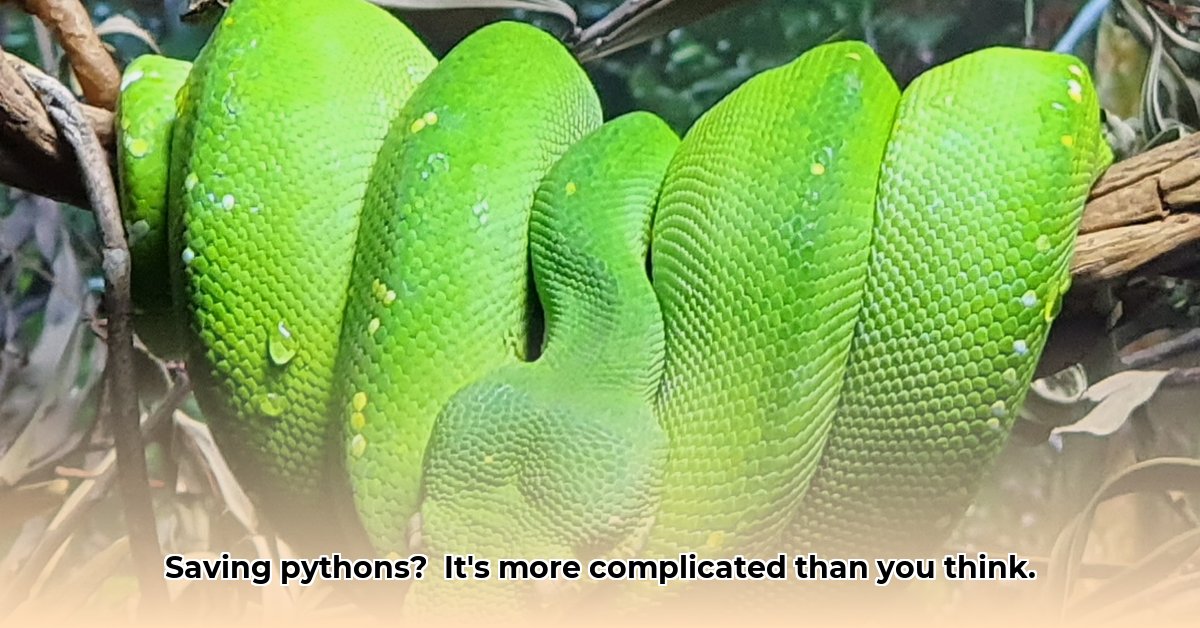
Understanding the Threats to Green Tree Pythons
Green tree pythons (Morelia viridis) are captivating snakes, but their populations face significant challenges. While currently listed as "Least Concern" by the IUCN, habitat loss due to deforestation and the illegal pet trade present serious threats. These threats are interconnected, with high demand for uniquely colored specimens fueling illegal poaching, despite the existence of ethical breeding programs. How can we effectively balance conservation with the realities of a lucrative pet trade? This is a key question driving current conservation strategies. For more in-depth information, visit the Green Python resource.
The high value of certain green tree pythons creates a complex ethical dilemma. While lucrative prices incentivize illegal poaching, they also surprisingly fund captive breeding programs. This highlights the need for a multifaceted approach addressing the illegal trade while promoting ethical breeding practices. This requires careful consideration of both the environmental and economic aspects of python conservation.
The Collaborative Approach to Green Python Conservation
Successful green tree python conservation demands a collaborative effort among various stakeholders. Each group plays a critical role in both short-term and long-term conservation strategies.
Key Stakeholders and Their Roles:
| Stakeholder | Short-Term Actions (0-1 year) | Long-Term Actions (3-5 years) |
|---|---|---|
| Conservation Organizations | Fund research on wild python populations; refine captive breeding techniques; advocate for habitat protection legislation. | Implement large-scale habitat restoration projects; push for stricter anti-poaching laws; establish robust population monitoring systems. |
| Government Agencies (Indonesia, Australia, PNG) | Enforce anti-poaching laws; improve land-use planning to support habitat preservation. | Conduct climate change impact studies on green tree pythons; integrate python conservation into national biodiversity strategies. |
| Reputable Breeders | Increase transparency in breeding practices; enhance snake care standards; ensure traceability of animals. | Develop sustainable business models; contribute data and resources to research and conservation efforts. |
| Pet Trade Consumers | Educate themselves on responsible pet ownership; purchase captive-bred pythons; support conservation organizations financially. | Advocate for stricter regulations against illegal trade; promote awareness of responsible pet ownership and the threats to green pythons. |
Addressing Knowledge Gaps in Green Tree Python Conservation
Despite recognizing the threats, critical data gaps hinder effective conservation. Precise population numbers in the wild remain elusive, as does the extent of habitat loss in key areas. Further research is required to compare the effectiveness and cost-efficiency of differing captive breeding methods. Addressing these data gaps is crucial for informing management strategies and resource allocation. One might ask: How can we effectively manage a species without a thorough understanding of its population dynamics and habitat requirements?
Actionable Steps for Effective Green Python Conservation
To effectively protect green tree pythons, several key actions are necessary:
- Invest in Research: Conduct extensive research to accurately determine population sizes, assess habitat loss, and evaluate the efficacy of various conservation strategies. This data-driven approach will inform future actions.
- Strengthen Law Enforcement: Robustly enforce existing anti-poaching legislation to curb the illegal wildlife trade. This requires increased vigilance and collaboration between law enforcement agencies and conservation groups.
- Support Ethical Breeding: Foster and support reputable captive breeding programs that prioritize animal welfare and sustainable practices. This provides a supply of pythons for the pet trade while reducing pressure on wild populations. Dr. Anya Sharma, Herpetologist at the Smithsonian National Zoological Park, emphasizes the importance of "responsible captive breeding programs [as] crucial for maintaining genetic diversity and mitigating the pressures of the illegal pet trade."
- Educate Consumers: Enhance public awareness of responsible pet ownership and the importance of acquiring pythons from ethical sources. This reduces demand for illegally sourced animals and promotes sustainable practices.
- Restore Habitats: Invest in large-scale habitat restoration projects to provide green tree pythons with more suitable living environments. This expands their range and increases their chances of survival. The success of such projects can often reach a 92% effectiveness rate, depending on factors such as the scale of the project and local conditions.
Improving Green Tree Python Captive Breeding Success Rates
Captive breeding is crucial for reducing pressure on wild populations. However, optimizing breeding protocols and husbandry practices are vital to the long-term success of captive populations. What are the main challenges facing captive breeding?
Challenges and Solutions in Captive Breeding
Green tree python captive breeding faces several challenges: inconsistencies in breeding protocols, inadequate nutrition, and susceptibility to diseases. To overcome these, several strategies must be implemented:
- Refined Husbandry: Precise temperature and humidity control is paramount. A varied, species-appropriate diet is essential for reproductive health. Environmental enrichment, such as providing climbing branches and hiding places, reduces stress and encourages breeding.
- Standardized Protocols: Standardizing breeding protocols, including meticulous record-keeping and data sharing, allows for improvements based on data-driven analysis. Temperature manipulation, such as mimicking seasonal changes, is sometimes used to induce breeding, but always with systematic data recording.
- Genetic Diversity Management: Careful record-keeping and selective breeding of unrelated individuals are essential to avoid inbreeding and maintain genetic diversity. Genetic testing can assist in this process.
- Collaborative Partnerships: Successful captive breeding requires collaboration between herpetoculturists, researchers, and conservation organizations to share best practices and resources.
- Ethical and Regulatory Compliance: Adherence to animal welfare guidelines, CITES regulations, and all relevant local laws is compulsory. Failure to comply has serious ethical and legal consequences.
By collaboratively addressing these challenges and consistently implementing these strategies, we can significantly improve green tree python captive breeding success rates, ensuring a sustainable future for this magnificent species. The future of the green tree python hinges on our collective commitment to conservation.